June 5, 2026
The intersection of auditory function and brain health has become a focal point of modern medical research. As our understanding of mental wellness deepens, the significant correlation between hearing clarity and cognitive vitality is impossible to ignore. A local audiologist acts as a vital bridge in this relationship, serving as a specialized healthcare professional who identifies, treats, and manages auditory disorders that can directly influence mental processing. By identifying hearing issues in their earliest stages and implementing strategic interventions, these professionals help mitigate the risks of cognitive decline. Through patient education, advanced technology, and interdisciplinary collaboration, the modern audiology clinic is now a frontline defender of both hearing and brain health.
Understanding the Hearing-Cognitive Connection
The hearing-cognitive connection refers to the intricate relationship between our ability to perceive sound and our fundamental cognitive functions, such as thinking, learning, and memory. When this connection is disrupted by hearing loss, the brain must work harder to decode sound, often at the expense of other mental processes. Research suggests that auditory deprivation can lead to social withdrawal and reduced neural stimulation, both of which are known contributors to cognitive decline. Recognizing this link is a vital step in developing proactive strategies to preserve long-term mental sharpness.
Assessing the Impact of Hearing Loss
Hearing impairment has a profound impact on how the brain functions. Individuals dealing with diminished hearing often experience significant struggles with concentration, as the brain must divert massive amounts of energy just to interpret speech. This constant listening effort can lead to chronic mental fatigue and reduced cognitive engagement. The inability to participate easily in conversations can also cause social isolation, which has been linked to a decrease in mental acuity and a higher risk of loneliness.
Reviewing Research Evidence
A wealth of scientific evidence now supports the undeniable link between untreated hearing loss and cognitive deterioration. Studies have consistently shown that those with hearing impairment may face a higher risk of developing dementia if the condition is not addressed. The prevalence of this issue is widespread across the country. According to WifiTalents, roughly 15% of American adults aged 18 and older report having some degree of difficulty with their hearing, which highlights why early detection is so critical for public health.
Performing Evaluations in the Audiology Office
The journey to better hearing and brain health begins with a comprehensive hearing assessment. A local audiologist utilizes these evaluations to map a patient's unique auditory profile across various frequencies and intensities. These assessments are not just about volume; they are about clarity and the brain's ability to process speech in complex environments. By establishing an accurate diagnosis, the professional can tailor a management plan that supports the patient's specific lifestyle and health goals.
Utilizing Cognitive Screening Techniques
Modern audiology now frequently incorporates cognitive health screening to complement traditional hearing tests. These techniques evaluate domains such as memory, attention, and processing speed. Early screening helps identify potential cognitive hurdles that might be exacerbated by a lack of auditory input. Integrating these screenings into a routine visit provides a more holistic view of the patient's overall health and serves as an essential baseline for future monitoring.
Creating Individualized Patient Evaluations
Every patient brings a unique history and set of needs to the clinic. Individualized evaluations ensure that care is not a "one size fits all" process but a targeted medical intervention. By considering an individual's medical history, daily social requirements, and specific health objectives, a local audiologist can recommend solutions that offer the highest chance of success. This personalized approach fosters better patient outcomes and encourages long-term adherence to treatment.
Implementing Advanced Assessment Technology
Technology has revolutionized the way auditory and cognitive health are measured. Innovative diagnostic tools, such as otoacoustic emissions testing and high-definition audiometers, provide deep insights into the mechanical and neural aspects of hearing. Computerized screening software also allows for reliable and objective measurements of cognitive function. These advancements ensure that the information gathered is precise, leading to better-informed decisions regarding a patient's care.
Developing Management Strategies for Brain Health
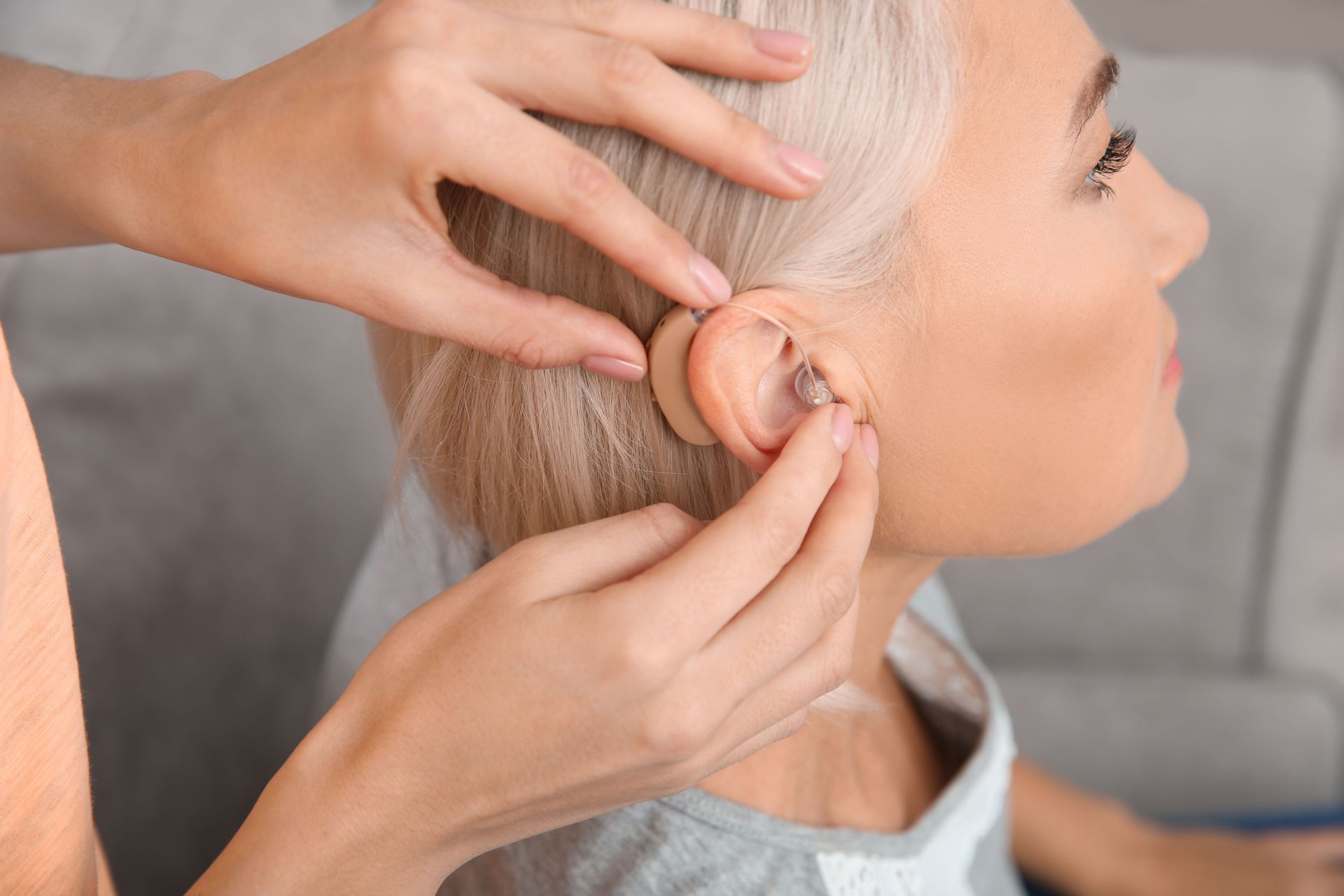
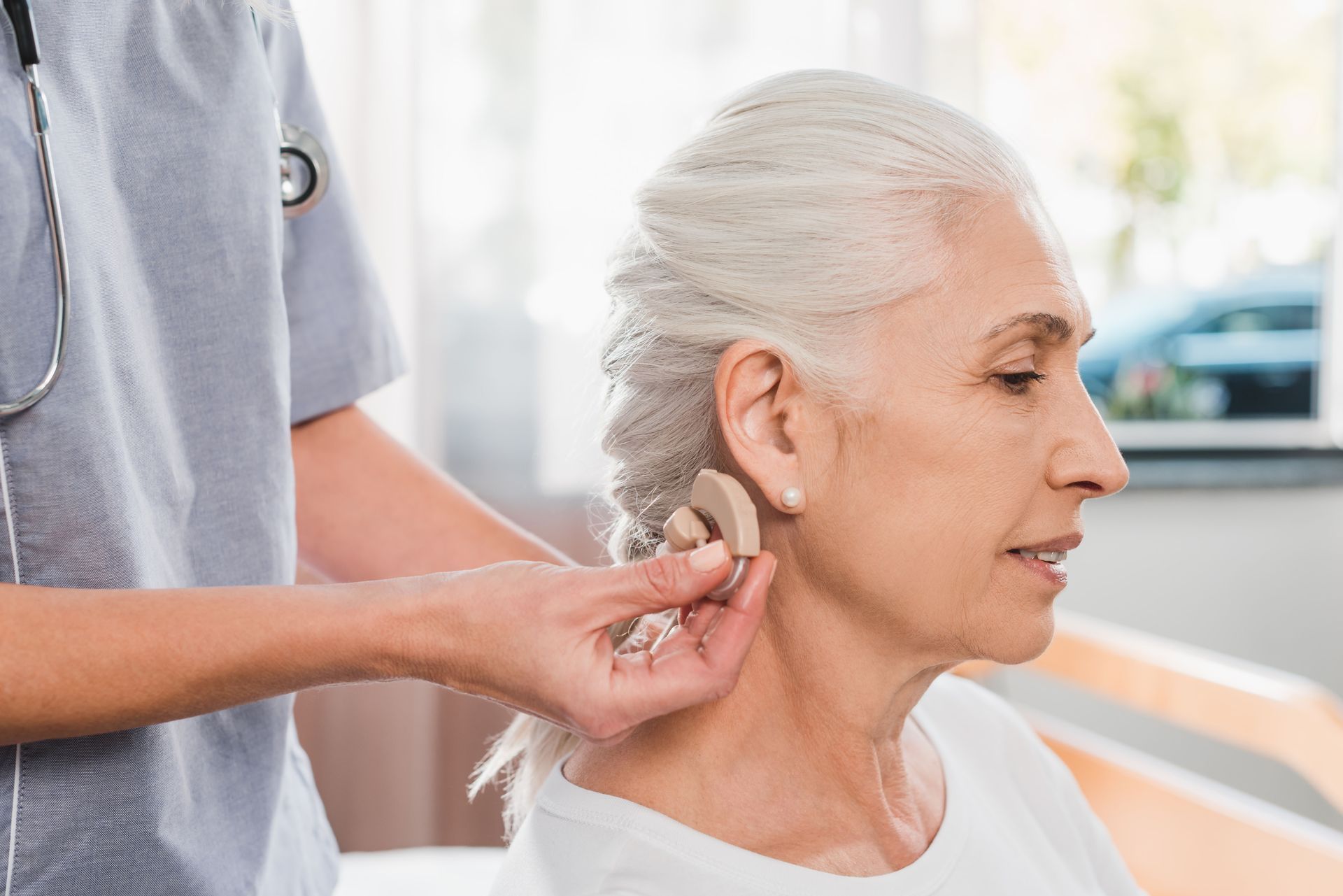
Hearing aids serve as the primary tool for managing hearing loss, offering significant benefits for the brain. By restoring the input of sound, these devices reduce the heavy cognitive load associated with struggling to hear. This relief allows the brain to reallocate resources back to functions like memory and executive processing. Current studies suggest that the consistent use of modern hearing technology can actually slow the rate of cognitive decline in many older adults.
Engaging in Auditory and Cognitive Training
Management plans often go beyond wearable technology to include auditory exercises and cognitive training. Auditory exercises are designed to retrain the brain to process sounds more effectively, while cognitive training focuses on maintaining mental agility and problem-solving skills. When used together, these strategies support neuroplasticity and maximize the benefits provided by hearing devices.
Incorporating Nutritional and Lifestyle Changes
Clinical treatments are often most effective when supported by healthy lifestyle choices. A balanced diet rich in antioxidants and omega-3 fatty acids supports neural health and may help protect the delicate structures of the inner ear. Regular physical activity also improves systemic circulation, which is beneficial for both the brain and the auditory system. A local audiologist can guide how these habits contribute to a comprehensive prevention and management plan.
Monitoring Progress With Follow-Up Care
Long-term success in managing hearing and cognitive health requires ongoing monitoring and consistent follow-up care. Regular check-ups allow the professional to verify that hearing devices are programmed correctly and to assess the patient's progress with their cognitive goals. This proactive approach ensures that any changes in hearing or mental function are addressed promptly, contributing to sustained well-being and a higher quality of life.
Collaborating with Multidisciplinary Healthcare Teams
Managing the complexities of aging and brain health often requires a team of specialists. A local audiologist frequently coordinates care with neurologists and geriatricians to ensure a seamless healthcare experience. These specialists provide deep insights into neurological conditions and age-related changes that may impact a patient's ability to process sound. Close coordination ensures that all providers are working toward the same goal: preserving the patient's independence and mental clarity.
Communicating With Primary Care Physicians
Primary care physicians (PCPs) are typically the first point of contact for patients experiencing health changes. Maintaining open lines of communication between the PCP and the audiology clinic is essential for cohesive care. When a local audiologist shares evaluation results and progress reports with the PCP, it strengthens the patient's overall support network and ensures that hearing health is treated as an integral part of their general medical profile.
Engaging the Community Through Outreach
Community education is a powerful tool for reducing the stigma surrounding hearing loss. Many professionals host public seminars to discuss the signs of auditory impairment and the importance of early intervention for brain health. These events provide a safe space for community members to ask questions and learn about the latest advancements in hearing technology. By providing accessible education, an audiologist empowers individuals to take charge of their own health.
Forming Partnerships With Local Organizations
Collaborating with senior associations, community centers, and local health nonprofits helps spread the message of hearing health to a wider audience. These partnerships allow for the creation of targeted programs that address the specific needs of the local population. By pooling resources and expertise, healthcare professionals can make a much larger impact on the community's overall wellness.
At Advantage Hearing Center, we believe that clear hearing is the cornerstone of a vibrant, healthy mind. Whether you are interested in a hearing aid trial and 90-day demo program or require a detailed Tinnitus consultation and treatment, our team is here to support you. We offer a full range of services, including hearing aid programming and adjustments, ear wax removal, and specialized hearing rehabilitation.
Don't let untreated hearing loss impact your mental clarity and social life. By visiting a local audiologist for a professional audiological evaluation, you are taking a proactive step toward preserving your cognitive health for years to come. Contact Advantage Hearing Center today to learn more about our digital and AI hearing aid technology and how we can help you lead a more fulfilling life through better hearing.